As a parent in Islamabad or Rawalpindi, watching your child struggle with everyday tasks like buttoning their shirt, holding a pencil, or playing with other children can be heartbreaking. You might wonder if these challenges are just a phase or if there’s something more you can do to help. This is where occupational therapy for children becomes a powerful tool for transformation.
Occupational therapy for kids in Islamabad has helped thousands of families unlock their children’s potential, turning daily frustrations into moments of achievement. Whether your child has autism, ADHD, cerebral palsy, or simply needs support with developmental milestones, understanding what occupational therapy offers can be the first step toward meaningful change.
What Is Occupational Therapy for Children?
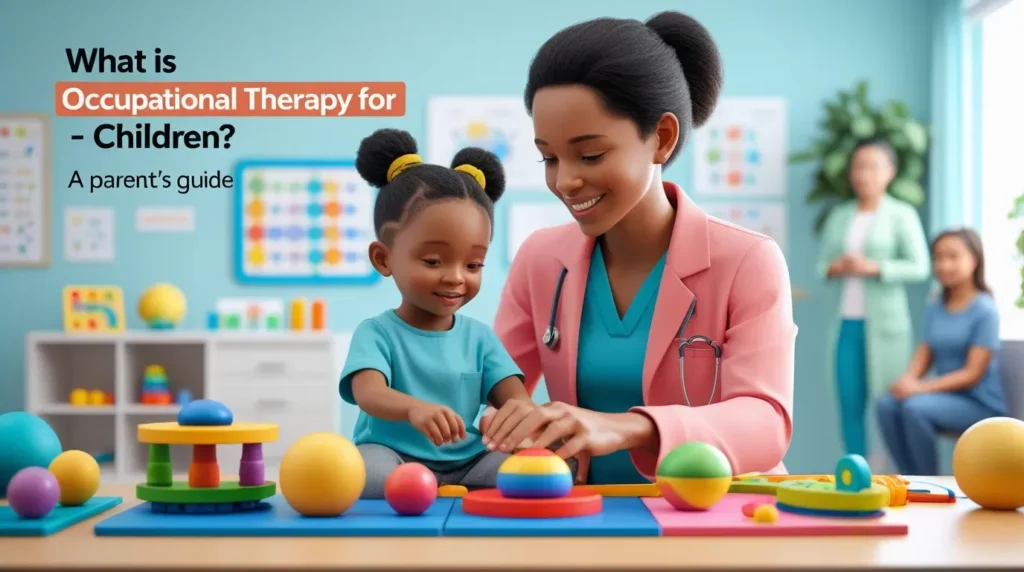
Occupational therapy (OT) for children is a specialized healthcare service that helps kids develop the skills they need for daily living, learning, and play. Unlike what the name might suggest, it’s not about finding your child a job. Instead, a child’s “occupation” refers to everything they need to do throughout their day—from getting dressed and eating independently to writing, playing with friends, and participating in school activities.
Pediatric occupational therapy focuses on helping children master age-appropriate milestones and become as independent as possible. When you visit a therapy center for special children in Islamabad, qualified occupational therapists assess your child’s unique challenges and create individualized therapy plans that address specific needs.
The goal is simple yet profound: to help your child participate fully in life, build confidence, and develop the functional skills needed to thrive at home, school, and in the community.
How Does Occupational Therapy Help Children?
Occupational therapy helps children by breaking down complex tasks into manageable steps and using therapeutic interventions to build essential skills. Here’s what OT can address:
Fine Motor Skills Development: Your child learns to manipulate small objects, use scissors, hold a pencil correctly, and develop hand-eye coordination for activities like drawing, writing, and self-feeding.
Gross Motor Skills Therapy: Large muscle movements improve through activities that enhance balance, coordination, strength, and motor planning—essential for running, jumping, climbing, and sports.
Sensory Processing Support: Many children struggle with how they experience touch, sound, movement, or visual input. Sensory integration therapy helps them regulate responses to sensory information, reducing meltdowns and improving focus.
Self-Care Skills Training: From brushing teeth and getting dressed to toilet training and eating independently, OT teaches activities of daily living (ADL) that promote independence.
Cognitive Development Therapy: Problem-solving, attention, memory, and organizational skills improve through play-based therapy and structured activities.
Social-Emotional Growth: Children learn to interact appropriately with peers, manage emotions, take turns, and develop school readiness skills that support classroom participation.
Why Children Need Occupational Therapy
Every child develops at their own pace, but sometimes they need extra support to catch up with peers or manage specific challenges. Child development therapy in Pakistan has become increasingly recognized as essential for addressing various conditions and developmental delays.
Common Reasons for OT Referral
Autism Spectrum Disorder: Children with autism often benefit from occupational therapy to improve social skills, manage sensory sensitivities, and develop functional communication. An autism therapy center in Islamabad typically offers comprehensive OT services as part of a multidisciplinary approach.
ADHD and Attention Challenges: Occupational therapy for ADHD children in Pakistan focuses on improving attention span, impulse control, organizational skills, and self-regulation through structured activities and environmental modifications.
Developmental Delays: When children miss age-appropriate milestones in movement, coordination, or self-care, early intervention therapy in Pakistan through occupational therapy can help them catch up.
Sensory Processing Disorder: Children who are oversensitive or under-responsive to sensory input benefit from sensory integration therapy, which helps them process and respond appropriately to sensory information.
Cerebral Palsy and Physical Disabilities: Occupational therapy for cerebral palsy children in Islamabad focuses on maximizing independence through adaptive equipment, positioning strategies, and functional skill development.
Learning Disabilities: Handwriting difficulties, visual-motor integration challenges, and organizational problems respond well to targeted OT interventions that support academic success.
Down Syndrome: Occupational therapy for Down syndrome children in Rawalpindi addresses muscle tone, motor skills, and cognitive development through play-based, family-centered approaches.
Signs Your Child Might Need Occupational Therapy
Recognizing when your child needs professional support can be challenging, especially for first-time parents. Here are common signs that occupational therapy might help:
Motor Skills Red Flags
- Difficulty holding a crayon, pencil, or utensils appropriately for their age
- Struggles with tasks like buttoning, zipping, or tying shoelaces
- Poor handwriting or extreme fatigue when writing
- Awkward pencil grip that doesn’t improve with practice
- Difficulty using scissors or manipulating small objects
- Clumsiness, frequent falls, or bumping into things
- Delayed crawling, walking, or other gross motor milestones
Sensory and Behavioral Indicators
- Extreme reactions to loud noises, bright lights, or certain textures
- Refuses to wear certain clothing due to texture sensitivity
- Excessive sensitivity to touch or avoids messy play
- Seems unaware of personal space or touches everything
- Difficulty sitting still or constantly seeking movement
- Meltdowns in busy or overstimulating environments
- Picky eating related to food textures or temperatures
Daily Living Challenges
- Struggles with age-appropriate self-care tasks
- Difficulty following multi-step directions
- Poor organizational skills for schoolwork or play
- Avoids activities other children enjoy
- Difficulty making friends or playing cooperatively
- Low frustration tolerance with challenging tasks
- Excessive dependence on parents for basic activities
If you notice several of these signs, consulting a child behaviour therapist in Islamabad or scheduling an occupational therapy assessment can provide clarity and direction.
Types of Occupational Therapy Services in Islamabad
When searching for occupational therapy in Islamabad, you’ll find various service models designed to meet different needs. Understanding these options helps you make informed decisions about your child’s care.
Clinic-Based Therapy Sessions
Most therapy centers for special children in Islamabad offer individual one-on-one therapy sessions in a clinical setting. These typically last 45-60 minutes and provide access to specialized equipment like sensory gyms, therapeutic swings, fine motor activity stations, and adaptive devices.
Clinic-based sessions allow therapists to control the environment, use professional-grade equipment, and focus intensively on specific goals. At Special School of Recovery (SSR), our occupational therapy clinic in Islamabad features state-of-the-art facilities designed specifically for pediatric rehabilitation services.
School-Based Occupational Therapy
Some special education schools in Islamabad integrate occupational therapy directly into the educational program. This approach helps children apply learned skills immediately in the classroom environment, supports academic participation, and addresses barriers to learning in real-time.
School-based OT often includes handwriting support, sensory breaks during the day, classroom modifications, and collaboration with teachers to implement individualized education plans (IEPs).
Home-Based Therapy Services
Home-based therapy services in Islamabad bring occupational therapy into your child’s natural environment. This approach is particularly effective for very young children, those with severe mobility challenges, or families who need flexible scheduling.
Home visits allow therapists to assess how your child functions in familiar surroundings, teach parents hands-on techniques, modify the home environment for success, and integrate therapy into daily routines.
Group Therapy Sessions
Group therapy sessions for kids focus on social skills, peer interaction, cooperative play, and turn-taking in a supportive environment. These sessions complement individual therapy and help children practice skills with peers under professional guidance.
Specialized Therapy Programs
Sensory Integration Therapy Sessions: Focus specifically on helping children process and respond appropriately to sensory information through carefully designed activities.
Play Therapy for Children: Uses play as the primary therapeutic tool to address emotional, behavioral, and developmental challenges.
Parent Training Sessions: Educate caregivers on how to support their child’s development at home, implement therapeutic activities, and manage challenging behaviors.
How to Find the Best Therapy Center in Islamabad
Choosing where to seek occupational therapy for your child is one of the most important decisions you’ll make. Here’s what to look for when searching for the best therapy center for children in Islamabad:
Qualifications and Credentials
Ensure therapists are licensed occupational therapists in Pakistan with proper certification. Look for centers registered with relevant medical boards (PMDC registered therapists in Pakistan) and those employing certified pediatric OT specialists with experience in child development.
Ask about continuing education, specialized training in conditions like autism or sensory processing disorder, and membership in professional organizations.
Comprehensive Assessment Approach
Quality centers conduct thorough pediatric occupational therapy assessments before beginning treatment. This should include standardized testing, observational assessments, parent questionnaires, collaboration with other professionals (pediatricians, psychologists), and detailed goal-setting based on your child’s unique needs.
Evidence-Based Treatment Methods
The best therapy centers use neurodevelopmental treatment approaches supported by research, including sensory integration therapy, play-based therapy, family-centered therapy, and functional skills training tailored to real-world needs.
Family Involvement and Communication
Look for centers that welcome parent involvement in therapy sessions, provide regular progress updates, offer parent training programs, and maintain open communication about your child’s development.
Facility and Equipment
Visit potential centers to assess the therapy environment. Quality facilities have age-appropriate therapeutic toys, sensory equipment (swings, climbing structures, tactile materials), fine motor activity stations, adaptive equipment for children, and safe, clean, welcoming spaces.
Location and Accessibility
Consider practical factors like proximity to your home in areas such as F-6, F-7, G-9, Blue Area, or other Islamabad sectors. Check whether the center offers flexible scheduling including weekend therapy sessions in Rawalpindi and Islamabad, and whether parking and accessibility accommodate families with special needs.
Success Stories and Reputation
Research the center’s track record through online reviews, testimonials from other parents, success stories with similar conditions, and recommendations from pediatricians or schools.
Why Choose Special School of Recovery (SSR)?
At Special School of Recovery in Islamabad, we combine all these elements to provide comprehensive, compassionate care. Our team of experienced therapists works with each family to create personalized treatment plans that honor your child’s unique strengths and challenges. We offer speech therapy in Islamabad, behaviour therapy for children in Pakistan, and specialized programs designed specifically for the needs of Pakistani families.
What to Expect During Occupational Therapy Sessions
Understanding what happens during therapy can ease anxiety for both you and your child. Here’s a typical journey through occupational therapy:
Initial Assessment
Your first visit involves a comprehensive evaluation where the therapist observes your child’s abilities, discusses your concerns and goals, reviews developmental history, and may conduct standardized tests to measure specific skills.
This assessment typically takes 60-90 minutes and results in a detailed report outlining your child’s strengths, areas for growth, and recommended treatment plan.
Goal Setting and Treatment Planning
Based on the assessment, your therapist develops individualized therapy plans with specific, measurable goals. These might include improving handwriting legibility, increasing independence in dressing, enhancing attention span for classroom tasks, or reducing sensory sensitivities that interfere with daily activities.
Goals are always functional and meaningful to your child’s real-world needs, whether at home, school, or in the community.
Typical Therapy Session Structure
Most sessions follow a similar pattern:
Warm-up Activity: Fun, engaging tasks that prepare your child’s body and mind for focused work while building rapport with the therapist.
Targeted Interventions: Specific activities designed to address treatment goals, such as fine motor exercises disguised as games, sensory activities to regulate arousal levels, gross motor challenges that build coordination, or cognitive tasks that develop problem-solving.
Skill Application: Practicing new abilities in functional contexts, like using improved hand strength to open containers or applying better attention skills to complete puzzles.
Cool-down and Review: Calming activities and discussion of progress, with homework or home practice suggestions for parents.
Parent Involvement
Quality therapy includes caregiver resources and support. Therapists typically invite you to observe sessions periodically, teach you therapeutic exercises for home practice, explain the “why” behind activities, provide strategies for challenging behaviors, and celebrate your child’s progress together.
Progress Monitoring
Regular reassessment ensures therapy remains effective and goals evolve with your child’s development. Expect periodic formal evaluations, ongoing informal observation, adjustments to treatment plans, and clear communication about whether goals are being met.
Cost of Occupational Therapy in Pakistan
Understanding the financial aspect of therapy helps families plan effectively. Occupational therapy fees in Islamabad vary based on several factors:
Factors Affecting Cost
- Type of service: Individual sessions typically cost more than group sessions
- Session duration: 30-minute vs. 60-minute appointments
- Therapist qualifications: Highly specialized or experienced therapists may charge more
- Location: Centers in prime Islamabad sectors may have different pricing than those in Rawalpindi
- Frequency: Some centers offer package deals for multiple sessions
Typical Cost Range
While prices vary, here’s a general guide for therapy costs in Pakistan:
- Individual OT sessions: PKR 2,000-5,000 per session
- Group sessions: PKR 1,000-2,500 per child
- Initial assessment: PKR 3,000-8,000
- Home-based services: Often 20-30% higher due to travel
These are approximate ranges. Affordable child therapy in Rawalpindi and Islamabad is available at various price points to accommodate different family budgets.
Insurance and Financial Support
Insurance coverage for occupational therapy in Pakistan is limited but growing. Some private health insurance plans may cover therapy for specific medical diagnoses. Government-funded therapy programs for children in Pakistan exist but often have waiting lists.
Organizations and NGOs occasionally provide subsidized or free rehabilitation services for families meeting certain criteria. Don’t hesitate to ask therapy centers about payment plans, sliding scale fees, or financial assistance programs.
Is It Worth the Investment?
While therapy represents a significant financial commitment, consider the long-term benefits: increased independence reduces future care needs, improved academic skills support educational success, enhanced social abilities promote better relationships and mental health, and early intervention often prevents more serious challenges later.
Many parents find that occupational therapy provides invaluable returns that far exceed the monetary cost.
How Parents Can Support Therapy at Home
Your involvement dramatically influences your child’s progress. Here’s how parents can help therapy at home effectively:
Create a Supportive Home Environment
Make simple modifications that support your child’s development:
- Organize toys and materials in accessible, labeled containers
- Create a calm, low-stimulation area for homework and focused activities
- Use visual schedules to help your child understand daily routines
- Provide age-appropriate tools (child-sized furniture, adapted utensils)
- Establish consistent routines that reduce anxiety and support independence
Practice Therapeutic Activities
Integrate therapist-recommended parent-child therapy activities into daily life:
For Fine Motor Skills: Threading beads, playing with playdough, tearing paper for crafts, squeezing clothespins, sorting small objects, completing puzzles.
For Gross Motor Development: Dancing to music, obstacle courses in the backyard, catching and throwing balls, riding tricycles or bicycles, climbing playground equipment.
For Sensory Regulation: Providing a sensory bin with rice or beans, offering deep pressure through hugs or weighted blankets, creating a cozy retreat space for overwhelm, varying textures during play (smooth, rough, soft, bumpy).
For Self-Care Skills: Breaking down tasks into small steps, using visual guides for morning routines, celebrating small successes with positive reinforcement, allowing extra time without pressure.
Maintain Communication with Therapists
Stay engaged with your child’s therapy team by asking questions about activities and their purpose, sharing observations about what works at home, reporting challenges or regression honestly, and implementing feedback consistently.
Join Support Groups
Connecting with other parents of special needs children in Islamabad provides emotional support, practical tips, resource sharing, and a sense of community. Many therapy centers facilitate support groups for special needs parents in Pakistan.
Practice Patience and Celebrate Progress
Remember that development takes time. Celebrate small victories, focus on your child’s unique growth rather than comparing to peers, maintain realistic expectations based on therapist guidance, and take care of your own mental health so you can support your child effectively.
Success Stories from Islamabad Therapy Centers
Real stories from families who’ve experienced the transformative power of occupational therapy inspire hope and demonstrate what’s possible:
Ayesha’s Journey with Sensory Processing
Seven-year-old Ayesha couldn’t tolerate crowded places or loud noises. School assemblies caused meltdowns, and family gatherings became overwhelming. After six months of sensory integration therapy at a therapy center in Islamabad, Ayesha developed coping strategies that changed her life. She now uses headphones when environments get too loud, practices deep breathing, and successfully attends school full-time. Her parents report that family outings are finally enjoyable for everyone.
Hamza’s Progress with Fine Motor Skills
Five-year-old Hamza struggled to hold a pencil and avoided all drawing activities. His teachers worried about his readiness for primary school. Through targeted fine motor therapy combining play-based activities with structured practice, Hamza’s hand strength and coordination improved dramatically. Within four months, he was writing his name, coloring within lines, and proudly showing his artwork to family. His confidence soared as his abilities grew.
Sara’s Path to Independence
Nine-year-old Sara, who has cerebral palsy, relied heavily on her parents for all daily activities. Her family sought occupational therapy to help her gain independence. Through adaptive equipment, positioning strategies, and patient skill-building, Sara learned to feed herself, participate in dressing, and use assistive technology for communication. Her mother shares that seeing Sara’s pride in doing things herself is the greatest gift therapy has provided.
These stories, typical of children receiving quality occupational therapy for kids in Islamabad, demonstrate that with the right support, meaningful progress is possible.
Frequently Asked Questions
What is the difference between occupational therapy and physical therapy for children?
While both therapies address movement and function, they have different focuses. Physical therapy primarily targets gross motor skills, strength, mobility, and movement patterns—helping children walk, maintain balance, and develop large muscle coordination. Occupational therapy takes a broader approach, addressing fine motor skills, sensory processing, cognitive development, self-care abilities, and the skills needed for daily activities and school participation. Many children benefit from both types of therapy working together.
At what age should children start occupational therapy?
Children can begin occupational therapy as young as infancy if developmental concerns are identified. Early intervention therapy in Pakistan is most effective when started as soon as delays or challenges are noticed. However, it’s never too late to start—children of any age can benefit from occupational therapy when they face challenges with daily activities, school tasks, or developmental milestones.
How long does occupational therapy take to show results?
Progress timelines vary significantly based on your child’s specific challenges, the severity of delays, frequency of therapy sessions, and consistency of home practice. Some families notice improvements within weeks, particularly in motivation and engagement. Measurable skill development typically becomes evident within two to three months. Significant functional changes often require six months to a year of consistent therapy. Your therapist will provide realistic expectations based on your child’s individual assessment and goals.
Can occupational therapy help with speech delays?
While speech therapy in Islamabad specifically addresses communication challenges, occupational therapy can support speech development indirectly. Many speech delays relate to oral motor difficulties, sensory issues affecting the mouth area, or poor core strength affecting breathing and vocalization. Occupational therapists often collaborate with speech-language pathologists to provide comprehensive support, addressing underlying sensory and motor issues that impact communication. For best results with speech delays, consider combined therapy approaches.
Do children with ADHD benefit from occupational therapy?
Yes, occupational therapy for ADHD children in Pakistan is highly beneficial. OT helps by improving attention and focus through sensory strategies, teaching organizational skills for schoolwork and daily routines, developing self-regulation techniques, enhancing impulse control, and creating environmental modifications that support concentration. While medication may be part of ADHD management, occupational therapy provides practical skills that help children function more successfully at home and school.
Is occupational therapy covered by insurance in Pakistan?
Insurance coverage for occupational therapy in Pakistan remains limited but is gradually improving. Some private health insurance plans provide partial coverage for therapy related to specific medical diagnoses like cerebral palsy or autism spectrum disorder. Coverage typically requires a physician’s referral and documentation of medical necessity. Contact your insurance provider to understand your specific benefits, and ask therapy centers about their experience with insurance claims and documentation.
Where can I find qualified occupational therapists in Islamabad?
Qualified occupational therapists in Islamabad work in specialized therapy centers like Special School of Recovery (SSR), hospitals with pediatric rehabilitation departments, special education schools offering integrated services, and private practices. When selecting a therapist, verify their credentials with Pakistan’s regulatory bodies, ask about their experience with your child’s specific needs, and ensure they use evidence-based approaches. Quality centers maintain certifications and ongoing professional development for their staff.
How do I know if my child needs occupational therapy vs. behavioral therapy?
This question requires professional assessment. Generally, occupational therapy addresses developmental skills, sensory processing, motor abilities, and functional independence. Behaviour therapy for children in Pakistan focuses on modifying specific behaviors, teaching social skills, addressing emotional regulation, and reducing problematic behaviors through structured interventions. Many children benefit from both approaches. A comprehensive evaluation by a child behaviour therapist in Islamabad or occupational therapist can help determine which services best meet your child’s needs.
What should I look for when choosing an occupational therapist for my child?
Choose an occupational therapist based on proper certification and licensure, experience with your child’s age group and specific condition, use of evidence-based treatment approaches, and strong communication skills with both children and parents. Consider whether they welcome parent involvement and training, maintain a warm, patient, and encouraging demeanor, show flexibility in adjusting treatment plans, and demonstrate genuine passion for helping children succeed. Trust your instincts—the therapeutic relationship matters significantly.
Can my child receive therapy at home instead of a clinic?
Yes, home-based therapy services in Islamabad are available and offer unique advantages. Home therapy allows assessment in your child’s natural environment, provides practical training in real-life contexts, accommodates children who struggle with transitions or unfamiliar environments, and offers convenience for families with transportation challenges. However, clinic settings provide access to specialized equipment and controlled environments for focused work. Discuss with therapists which setting best serves your child’s needs—many families combine both approaches.
Taking the Next Step for Your Child
Every child deserves the opportunity to reach their full potential. If your child struggles with activities that come easily to peers, if daily tasks feel like overwhelming challenges, or if you simply sense that something isn’t quite right, trust your instincts.
Occupational therapy for kids in Islamabad offers hope, practical solutions, and proven strategies that transform lives. At Special School of Recovery (SSR), we understand the unique challenges Pakistani families face. Our comprehensive services include not only occupational therapy but also speech therapy in Islamabad and behaviour therapy for children in Pakistan, creating a holistic approach to child development.
We see you—the parent who stays up late researching options, who advocates tirelessly for their child, who celebrates every small victory and faces every setback with renewed determination. You’re not alone in this journey.
Explore our speech, behaviour, and occupational therapy services to learn more about how we can support your family. Our team of compassionate, qualified professionals is ready to partner with you in unlocking your child’s potential.
Book an Assessment Today
The first step is always the hardest, but it’s also the most important. Book an assessment today at Special School of Recovery (SSR), Islamabad, and give your child the support they deserve. Our initial evaluations provide clarity, direction, and a roadmap for moving forward.
Don’t let another day pass wondering if there’s more you could do. Contact us to schedule your child’s occupational therapy assessment and begin the journey toward greater independence, confidence, and joy.
Your child’s brighter future starts with one decision. Make it today.
Special School of Recovery (SSR) is a leading therapy center for special children in Islamabad, offering comprehensive occupational therapy, speech therapy, and behaviour therapy services. Our qualified team serves families throughout Islamabad, Rawalpindi, and surrounding areas with compassionate, evidence-based care. Visit ssr.org.pk to learn more.