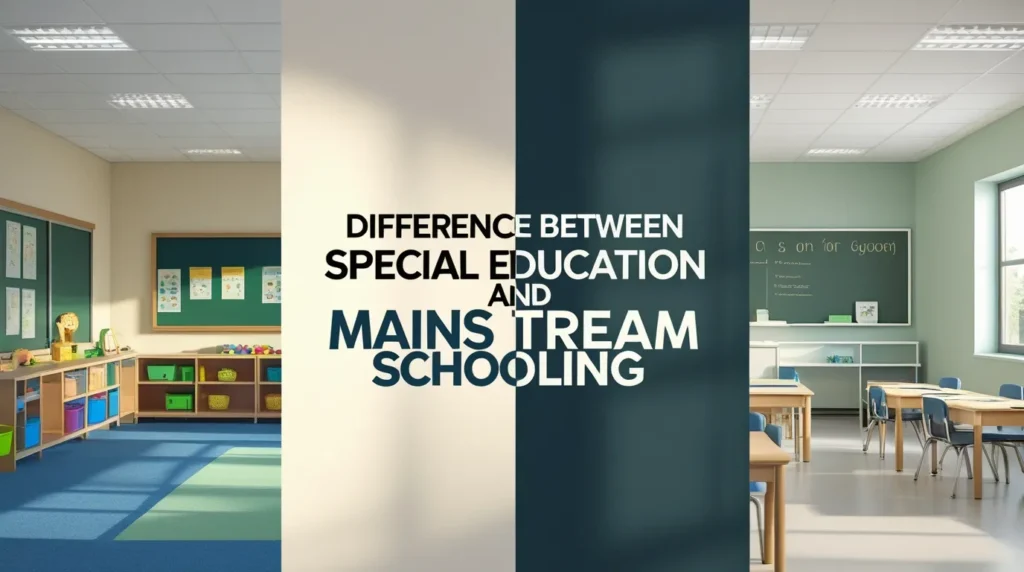
Choosing the right educational path for your child is one of the most important decisions you’ll make as a parent. If your child has learning differences, developmental delays, or special needs, you might be wondering whether special education or mainstream schooling is the better choice. This comprehensive guide will help you understand both options and make an informed decision that supports your child’s unique journey.
What is Special Education?
Special education is a tailored approach to learning designed specifically for children with developmental delays, learning disabilities, autism spectrum disorder, speech delays, or behavioral challenges. Unlike traditional classrooms, special education provides individualized support that adapts to each child’s specific needs and learning pace.
At specialized centers like Special School of Recovery (SSR) in Islamabad, children receive personalized attention through evidence-based therapies including speech therapy, behaviour therapy, and occupational therapy. These programs focus on building essential skills while addressing each child’s unique challenges in a supportive, understanding environment.
Understanding Mainstream Schooling
Mainstream schooling refers to the traditional education system where children of similar ages learn together in regular classrooms. Teachers follow a standardized curriculum designed for typically developing children, with class sizes often ranging from 30 to 40 students in Pakistan.
While mainstream schools serve the majority of students well, they may not always have the resources, trained staff, or specialized programs needed to support children with significant learning differences or developmental needs.
Key Differences Between Special Education and Mainstream Education
Student-Teacher Ratio
One of the most significant differences lies in classroom size. Special education settings typically maintain smaller groups, often with ratios of 1:5 or even 1:3, ensuring each child receives adequate attention. Mainstream classrooms in Pakistan often have 30 or more students per teacher, making individualized attention challenging.
This smaller ratio in special education allows therapists and educators to closely monitor progress, adjust teaching strategies immediately, and provide the hands-on support that many children with special needs require.
Curriculum and Teaching Methods
Mainstream schools follow a fixed curriculum set by educational boards, with all students expected to learn the same material at the same pace. Special education programs create Individualized Education Plans (IEPs) that are specifically designed around each child’s abilities, challenges, and developmental goals.
For example, at therapy centers for special children in Islamabad like SSR, a child with autism might work on communication skills through play-based activities, while another child focuses on sensory integration therapy—both learning at their own pace with methods that work best for them.
Specialized Support Services
Special education environments provide access to multidisciplinary teams including:
- Speech therapists who address communication delays and disorders
- Behaviour therapists trained in Applied Behavior Analysis (ABA) and other evidence-based interventions
- Occupational therapists who help with motor skills, sensory processing, and daily living skills
- Child psychologists who support emotional and behavioral development
- Special education teachers with expertise in differentiated instruction
Mainstream schools in Pakistan may have limited or no access to these specialized professionals, making it difficult to address specific therapeutic needs during school hours.
Learning Environment Adaptations
Special education classrooms are designed with accessibility and sensory needs in mind. They often include:
- Visual schedules and structured routines
- Sensory-friendly spaces with reduced noise and controlled lighting
- Adaptive equipment and assistive technology
- Modified seating arrangements
- Calm-down corners for emotional regulation
Traditional classrooms typically don’t have these modifications, which can make learning overwhelming for children with sensory sensitivities or attention challenges.
Benefits of Special Education
Personalized Learning Pace
Every child develops differently. Special education respects this reality by allowing children to learn at their own pace without the pressure of keeping up with peers. This reduces anxiety and builds confidence as children experience success in manageable steps.
Targeted Skill Development
Through comprehensive assessment and ongoing progress monitoring, special education programs identify specific areas where a child needs support. Whether it’s improving social skills, developing communication abilities, or mastering daily living tasks, therapy sessions are designed with clear, achievable goals.
Expert Professional Support
Children in special education settings benefit from professionals who understand developmental disorders, learning disabilities, and behavioral challenges. This expertise makes a significant difference in how quickly children progress and how effectively challenges are addressed.
According to the World Health Organization (WHO), early intervention and specialized support dramatically improve long-term outcomes for children with developmental delays.
Emotional Safety and Acceptance
In special education environments, children are surrounded by peers who face similar challenges. This creates a judgment-free space where differences are understood and accepted, reducing bullying and social isolation that some children experience in mainstream settings.
Benefits of Mainstream Schooling
Social Integration
Mainstream classrooms expose children to diverse peers, promoting social learning and friendship development with typically developing children. This social integration can be valuable for children who are ready for it.
Age-Appropriate Peer Models
Being around same-age peers provides natural models for behavior, communication, and social interaction. Children often learn by observing and imitating their classmates.
Preparation for Community Life
Mainstream education can help children learn to navigate typical social environments, which may be beneficial for long-term independence and community participation.
Access to Broader Activities
Many mainstream schools offer extracurricular activities, sports, arts programs, and field trips that might not be available in smaller special education settings.
How to Choose the Right Path for Your Child
Consider Your Child’s Current Abilities
Honestly assess where your child is developmentally. Can they follow basic instructions? Do they have communication skills sufficient to express their needs? Can they manage in groups without constant one-on-one support?
If your child is experiencing significant speech delays, behavioral challenges, or developmental delays, specialized support through speech therapy in Islamabad or behaviour therapy for children in Pakistan may be essential before considering mainstream integration.
Evaluate Available Support
Research what support services exist in potential schools. Does the mainstream school have trained special education teachers? Are therapy services available? What accommodations can they realistically provide?
Compare this with specialized centers like Special School of Recovery (SSR) that offer comprehensive, coordinated care including speech therapy, occupational therapy for kids, and behavior therapy—all under one roof in Islamabad.
Think About Long-Term Goals
What skills does your child need to develop? If they require intensive therapy to build communication, social, or self-care skills, a specialized program might be more effective initially. You can always transition to mainstream education once foundational skills are established.
Trust Your Parental Instinct
You know your child better than anyone. If a mainstream classroom feels overwhelming or a special education setting feels too restrictive, listen to that intuition. The right choice should feel supportive of your child’s wellbeing.
The Role of Early Intervention Therapy
Research consistently shows that early intervention therapy in Pakistan makes a tremendous difference in children’s developmental outcomes. The earlier children receive appropriate support, the better their chances of reaching their full potential.
Centers specializing in child development therapy in Pakistan provide crucial services during the critical early years when the brain is most adaptable. Whether your child has autism, ADHD, speech delays, or other challenges, starting therapy early—often before formal schooling begins—sets a strong foundation.
Can Children Transition Between Systems?
Absolutely. Educational placement isn’t permanent. Many children start in special education settings where they receive intensive support, develop essential skills, and build confidence. As they progress, they may transition to mainstream classrooms with support, or attend mainstream schools part-time while continuing therapy.
This gradual integration, sometimes called “inclusion,” can offer the best of both worlds—specialized support when needed and social integration as readiness develops.
What Makes Quality Special Education?
Evidence-Based Therapeutic Approaches
Look for programs that use proven methods like Applied Behavior Analysis (ABA) for behavior therapy, sensory integration techniques in occupational therapy, and structured language interventions in speech therapy. These evidence-based practices have demonstrated effectiveness through research.
Qualified, Compassionate Professionals
The best special education centers employ certified therapists and special educators who combine professional expertise with genuine care for children. They should have specific training in autism therapy, learning disabilities, and developmental disorders.
Family-Centered Approach
Quality programs recognize that parents are essential partners in their child’s progress. They should provide parent training, regular communication about goals and progress, and strategies you can use at home to reinforce learning.
Comprehensive Assessment and Monitoring
Effective programs conduct thorough initial assessments and regularly measure progress using objective data. This ensures that interventions are working and allows for adjustments when needed.
Special Education Services in Islamabad and Rawalpindi
Families in the twin cities have access to several therapy centers and special education schools. When evaluating options, consider:
- Range of services offered: Does the center provide speech therapy, behaviour therapy, occupational therapy, and other needed services?
- Therapist qualifications: Are professionals certified and experienced in their specialties?
- Environment: Is the space welcoming, safe, and designed for children with special needs?
- Communication: How will you stay informed about your child’s progress?
- Accessibility: Is the location convenient for regular therapy sessions?
Special School of Recovery (SSR) in Islamabad offers comprehensive services including speech therapy in Islamabad, behaviour therapy in Rawalpindi and Islamabad, and occupational therapy for kids, all delivered by qualified professionals in a supportive environment designed specifically for children with special needs.
Common Concerns Parents Have
“Will special education label my child?”
Labels don’t define children—support and progress do. What matters most is that your child receives the help they need to thrive. Many children who receive early special education support go on to successful mainstream schooling and independent adult lives.
“Is mainstream school too challenging for my child?”
This depends entirely on your child’s current abilities and the support available. Some children with mild challenges succeed in mainstream settings with accommodations. Others need the intensive, specialized support that only special education can provide.
“Can my child have a normal life with special education?”
Special education doesn’t limit potential—it unlocks it. Children who receive appropriate support often achieve things that would be impossible without intervention. The goal of quality special education is always to help children reach their maximum independence and capability.
“How expensive is special education in Pakistan?”
Costs vary significantly. Some centers offer government support or sliding scale fees. While therapy represents an investment, consider it against the long-term cost of children not receiving the support they need. Many families find that early intervention actually reduces long-term educational costs.
Frequently Asked Questions
What is the main difference between special education and mainstream education?
The main difference is individualization. Special education provides personalized instruction, smaller class sizes, specialized therapies, and adapted teaching methods based on each child’s specific needs, while mainstream education follows a standardized curriculum designed for typically developing children in larger classroom settings.
How do I know if my child needs special education?
If your child shows significant delays in speech, behavior, social skills, or learning compared to peers, struggles in a mainstream classroom despite support, has been diagnosed with autism, ADHD, or learning disabilities, or requires therapeutic interventions, special education may be beneficial.
Can a child move from special education to mainstream school?
Yes, many children transition to mainstream settings after developing foundational skills in special education. This process should be gradual, based on the child’s readiness, and may include continued support services.
What therapies are included in special education?
Quality special education programs typically include speech therapy for communication delays, behavior therapy for autism and behavioral challenges, occupational therapy for motor and sensory skills, and may also offer physical therapy, counseling, and academic support.
Where can I find the best therapy center for special children in Islamabad?
Look for centers that offer comprehensive services, employ certified therapists, maintain small student-therapist ratios, and take a family-centered approach. Special School of Recovery (SSR) in Islamabad provides speech therapy, behavior therapy, and occupational therapy with qualified professionals.
At what age should therapy and special education start?
Early intervention is most effective, ideally starting as soon as developmental concerns are identified—even in toddlerhood. The brain’s neuroplasticity is greatest in early years, making this the optimal time for therapeutic intervention.
Making the Decision With Confidence
There’s no single right answer for every child. The best educational path depends on your child’s unique needs, available resources, and developmental goals. What matters most is that your child receives appropriate support in an environment where they can thrive.
Remember that this decision isn’t permanent. You can adjust your child’s educational placement as their needs and abilities change. Many successful adults who received special education as children credit those early interventions with giving them the foundation they needed to achieve their goals.
The Path Forward
If you’re concerned about your child’s development or struggling with educational decisions, the first step is getting a comprehensive assessment from qualified professionals. This evaluation will identify your child’s strengths, challenges, and specific needs, providing the information you need to make informed choices.
Whether you choose special education, mainstream schooling, or a combination approach, what matters most is that your child receives the support they need during these crucial developmental years. With the right intervention, compassionate professionals, and your unwavering advocacy, your child can make remarkable progress.
Book an assessment today at Special School of Recovery (SSR), Islamabad and give your child the support they deserve. Our team of experienced speech therapists, behaviour therapists, and occupational therapists is ready to partner with you in your child’s developmental journey. Contact us to learn more about our comprehensive therapy services and how we can support your family.
Special School of Recovery (SSR) provides evidence-based therapy services including speech therapy in Islamabad, behaviour therapy for children in Pakistan, and occupational therapy for kids in Islamabad and Rawalpindi. Our compassionate, qualified professionals are dedicated to helping every child reach their full potential.