Every parent knows the feeling. Your child throws a tantrum in the middle of a grocery store, refuses to listen despite repeated requests, or struggles to sit still during family dinner. While these moments are common in childhood, persistent behavioral challenges can leave parents feeling overwhelmed and uncertain about what to do next.
If you’re a parent in Islamabad or Rawalpindi noticing ongoing behavioral issues with your child, you’re not alone. Understanding when typical childhood behavior crosses into something that needs professional support can make all the difference in your child’s development and your family’s wellbeing.
Understanding Child Behavior Problems
Children communicate through behavior, especially when they haven’t yet developed the words to express complex emotions. What looks like defiance or aggression might actually be your child’s way of saying “I’m frustrated,” “I don’t understand,” or “I need help.”
Behavioral challenges in children can range from mild difficulties with emotional regulation to more persistent patterns that affect daily life at home and school. The good news is that with the right support, including behavior therapy for children in Pakistan, most behavioral issues can be significantly improved.
What Are Common Behavioral Problems in Children?
Parents often wonder whether their child’s behavior is normal for their age or something that requires professional attention. Here are some of the most common behavioral challenges that child development specialists see:
Temper Tantrums and Emotional Outbursts
While tantrums are normal in toddlers learning to manage big feelings, frequent meltdowns in older children might signal difficulty with emotional regulation. Children who struggle with impulsivity control or anxiety in children often express these challenges through intense emotional reactions.
Oppositional Behavior and Defiance Issues
Does your child constantly argue, refuse to follow rules, or deliberately do things they know are wrong? Oppositional behavior that persists beyond typical developmental stages can interfere with school performance and family harmony. A child behaviour therapist in Islamabad can help identify whether this represents oppositional defiant disorder or is linked to other underlying issues.
Attention Deficit and Hyperactivity Symptoms
Children with ADHD in children often display three main patterns: difficulty focusing, excessive movement, and acting without thinking. These aren’t signs of bad parenting—they’re neurological differences that respond well to behavioral intervention for children combined with appropriate support.
Aggression in Kids
Hitting, biting, pushing, or other physical aggression beyond what’s typical for a child’s age requires attention. Aggressive behavior in toddlers might be exploratory, but when it continues or intensifies, it often reflects challenges with social skills deficit or difficulty managing frustration.
School Refusal and Academic Struggles
When children consistently resist going to school, complain of stomachaches, or act out in the classroom, there’s usually an underlying cause. Classroom behavior management issues might stem from learning disabilities behavior, separation anxiety treatment needs, or peer relationship problems.
Social Skills Challenges
Some children struggle to make friends, read social cues, or engage appropriately with peers. These difficulties are particularly common in children with autism spectrum behaviors or developmental delays, but can occur in any child.
What Causes Bad Behavior in Children?
Understanding the root causes of behavioral problems helps parents respond with compassion rather than frustration. Several factors can contribute to children’s behavioral issues:
Developmental Factors
Children develop at different rates. What seems like a behavior problem might actually reflect your child still developing their executive function skills, which control impulses, manage emotions, and plan actions. Missing certain developmental milestones can also affect behavior.
Environmental Influences
Changes at home, school stress, family conflict, or even inconsistent discipline techniques can trigger behavioral changes. Children are highly sensitive to their environment and often act out when feeling insecure or overwhelmed.
Neurological and Medical Conditions
Conditions like ADHD treatment needs, autism therapy requirements, sensory processing issues, or anxiety disorders kids experience have biological roots. These aren’t failures of parenting—they’re conditions that benefit greatly from professional child psychology therapy.
Communication Difficulties
Children who struggle to express themselves verbally often use behavior to communicate. This is why speech therapy in Islamabad is sometimes recommended alongside behavior therapy—when children can better express their needs, behavioral challenges often decrease.
Unmet Needs
Sometimes conduct problems arise because a child’s basic needs aren’t being met. This might include the need for more attention, clearer boundaries, physical activity, or help with learning challenges.
When Should I Take My Child to Therapy?
Parents frequently ask themselves this question. Here are clear signs your child needs behavioral therapy:
- Behavioral issues persist beyond typical developmental stages
- Your child’s behavior significantly impacts their ability to learn, make friends, or participate in family activities
- You’ve tried consistent parenting strategies for difficult behaviors without improvement
- Teachers or other caregivers express concern about your child’s behavior
- Your child seems unhappy, anxious, or withdrawn
- Aggressive or destructive behavior is escalating
- Your family life is suffering due to behavioral challenges
The benefits of early intervention cannot be overstated. Research from the World Health Organization shows that children who receive appropriate support early experience better long-term outcomes in behavioral therapy, improved school performance, and enhanced social skills throughout their lives.
How Can Therapy Help My Child’s Behavior?
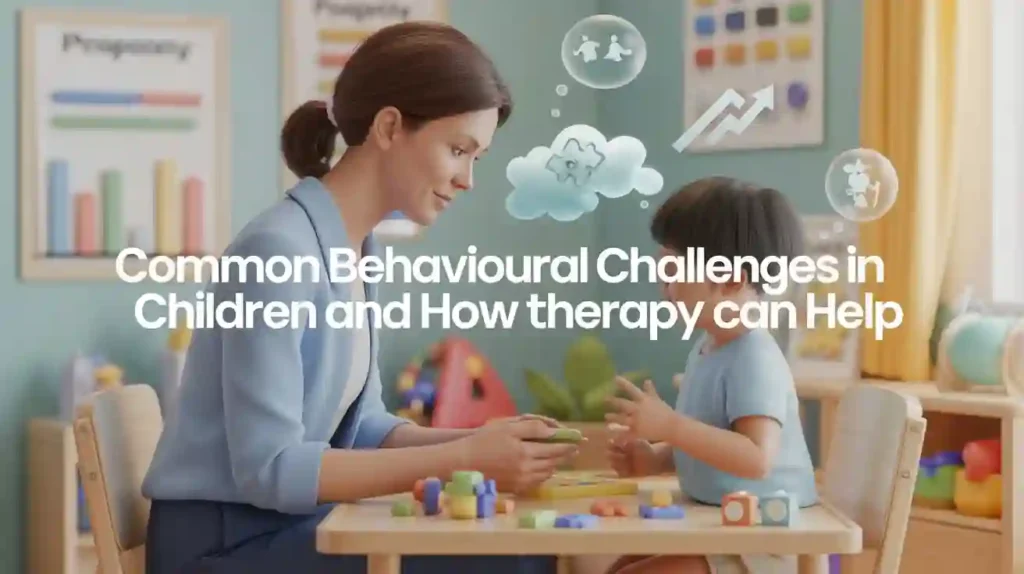
Behavioral therapy for kids works by helping children develop new skills and healthier ways of managing emotions and responding to challenges. Here’s what happens in child behavioral therapy sessions:
Comprehensive Assessment
A qualified child behavior specialist in Islamabad begins with a thorough evaluation. Using behavioral assessment tools, therapists observe your child, talk with you, and sometimes gather information from teachers to understand the full picture of your child’s challenges and strengths.
Evidence-Based Child Therapy Approaches
Different behavioral intervention strategies work for different children. At a therapy center for special children in Islamabad like Special School of Recovery (SSR), professionals use proven approaches including:
Cognitive Behavioral Therapy for Children: This helps kids identify and change negative thought patterns that drive problematic behavior. It’s particularly effective for anxiety disorders kids experience and childhood depression.
Play Therapy Techniques: Younger children often can’t sit and talk about feelings, but they can show what’s bothering them through play. Play therapy allows children to process emotions and practice new behaviors in a natural, engaging way.
Behavioral Modification Programs: These use positive reinforcement techniques and reward systems for children to encourage desired behaviors while reducing problematic ones. This approach teaches children that good choices lead to positive outcomes.
Parent Training Programs: Effective therapy doesn’t just happen in the therapy room. Parent-child interaction therapy benefits families by teaching behavioral management at home strategies that you can use every day.
Individualized Treatment Plans
No two children are exactly alike. Therapy at a special education school in Islamabad recognizes this by creating customized plans that address your child’s specific needs, whether that involves occupational therapy for kids in Islamabad, speech therapy in Islamabad, or focused behavior therapy in Rawalpindi.
Practical Skill Development
Through therapy sessions, children learn crucial skills:
- How to recognize and name their emotions
- Strategies for calming down when upset
- Problem-solving techniques for conflicts
- Ways to ask for help instead of acting out
- Social skills for making and keeping friends
What Types of Therapy Work Best for Children?
The most effective approach depends on your child’s specific needs:
For ADHD and Attention Challenges
Behavioral therapy techniques for ADHD children focus on structure, routines, and breaking tasks into manageable steps. Occupational therapy for children in Islamabad can also help with sensory regulation and focus.
For Anxiety and Emotional Regulation
Cognitive behavioral therapy for kids with anxiety teaches children to recognize anxious thoughts and replace them with more realistic ones. They also learn breathing exercises and other calming techniques.
For Autism Spectrum Behaviors
An autism therapy center in Islamabad provides specialized support including social skills training, sensory integration, and communication development. Many children benefit from combining behavior therapy with speech therapy for toddlers in Islamabad.
For Oppositional and Defiant Behaviors
The best therapy approaches for defiant children often involve family-based treatment where parents learn specific responses that reduce power struggles and encourage cooperation.
How Long Does Child Behavioral Therapy Take?
This is one of the most common questions parents ask. The honest answer is: it varies. Some children show improvement within a few weeks, while others need several months of consistent support.
Factors affecting duration include:
- The severity and type of behavioral challenges
- Your child’s age and developmental stage
- Consistency of therapy attendance
- How well strategies are implemented at home
- Whether there are co-occurring conditions
Most families begin seeing positive changes within 8-12 weeks when they attend regular sessions and practice techniques at home. The pediatric mental health professional working with your child can provide a more specific timeline based on their assessment.
Is Behavioral Therapy Effective for Children?
Research consistently shows excellent therapy success rates for children. According to the Centers for Disease Control and Prevention, behavioral interventions are among the most effective treatments for childhood behavioral and emotional problems.
Real outcomes families experience include:
- Reduced aggressive behavior and emotional outbursts
- Better family relationships with less conflict
- Improved school performance and classroom participation
- Enhanced social skills and peer relationships
- Greater independence and self-confidence
- Improved emotional regulation and coping skills
At child development therapy centers in Pakistan like SSR, therapists track progress regularly to ensure interventions are working and adjust approaches as needed.
How Can Parents Help with Behavioral Therapy?
Your role as a parent is crucial to your child’s success. Here’s how parents can support therapy:
Be Consistent: Use the same strategies your therapist recommends both at home and in public. Children thrive on predictability.
Practice Positive Parenting Approaches: Focus on catching your child being good rather than only responding to negative behavior. Positive reinforcement techniques work better than punishment.
Maintain Open Communication: Share what you’re seeing at home with your therapist. They can adjust strategies based on this feedback.
Take Care of Yourself: Stress management for parents isn’t selfish—it’s essential. When you’re calm, you can better support your child’s behavioral management at home.
Be Patient: Long-term outcomes in behavioral therapy are excellent, but change takes time. Celebrate small victories along the way.
Finding the Right Support in Islamabad and Rawalpindi
If you’re searching for a child behavioral therapist in Islamabad or behavior therapy in Rawalpindi, choosing the right provider matters enormously. Look for:
- Licensed professionals with specific training in child development
- Centers offering comprehensive services including speech, occupational, and behavior therapy
- Therapists who involve parents in the treatment process
- Facilities with experience treating your child’s specific challenges
- A warm, child-friendly environment
Why choose Special School of Recovery (SSR)? SSR provides integrated services under one roof, including behavior therapy for children in Pakistan, speech therapy in Islamabad, and occupational therapy for kids in Islamabad. Our team of pediatric counselors and child development specialists creates individualized plans that address each child’s unique needs.
Frequently Asked Questions
What age can children start behavioral therapy?
Children as young as 2-3 years old can benefit from early intervention therapy in Pakistan. The earlier challenges are addressed, the better the outcomes typically are.
How much does child therapy cost?
Costs vary based on the type and frequency of therapy. Contact therapy centers directly for specific pricing. Many facilities offer assessment sessions to determine what services your child needs.
Can behavioral problems be cured with therapy?
While “cured” isn’t always the right word, most behavioral challenges can be significantly improved with appropriate therapy. Children learn skills they’ll use throughout their lives.
Do children outgrow behavioral issues?
Some children do naturally improve as they develop, but persistent problems rarely resolve without intervention. Waiting often allows patterns to become more entrenched.
What happens in child behavioral therapy sessions?
Sessions might include play activities, conversation, skill practice, and parent coaching. Therapists make sessions engaging while working toward therapeutic goals.
How do I prepare my child for therapy?
Explain in simple terms that they’ll be meeting someone who helps children with their feelings and behavior. Frame it positively as a special time where they’ll learn and play.
Can therapy help with school behavior problems?
Absolutely. Many therapists coordinate with schools to ensure strategies work across environments. School-based interventions can also supplement clinic therapy.
What are signs of serious behavioral disorders?
Extreme aggression, self-harm, complete inability to follow any rules, or behavior that puts the child or others at risk requires immediate professional evaluation.
How to choose a child therapist?
Look for proper credentials, experience with your child’s specific challenges, good communication skills, and someone your child feels comfortable with. Explore our speech, behaviour and occupational therapy services to find the right fit.
What is the difference between child psychology and psychiatry?
Psychologists provide therapy and assessment but don’t prescribe medication. Psychiatrists are medical doctors who can prescribe medication and often focus on diagnosis and medical management.
Taking the Next Step
Recognizing that your child needs support takes courage. Seeking help isn’t admitting failure—it’s giving your child the tools they need to thrive. Behavioral challenges don’t define your child or your parenting. With the right support from a therapy center for special children in Islamabad, most children make remarkable progress.
The pediatric behavioral therapy journey begins with a simple assessment where professionals can understand your child’s unique strengths and challenges. From there, you’ll work together to create a plan that fits your family’s needs and helps your child develop the skills for a happy, successful life.
Book an assessment today at Special School of Recovery (SSR), Islamabad and give your child the support they deserve. Our experienced team provides comprehensive child counseling services, speech delay treatment, and behavior therapy in Islamabad to help your child reach their full potential. Contact us to learn how we can support your family.
Special School of Recovery (SSR) is a leading therapy center for special children in Islamabad, offering evidence-based speech therapy, behavior therapy, and occupational therapy for children. Our team of licensed professionals provides compassionate, individualized care for children with developmental, behavioral, and communication challenges.